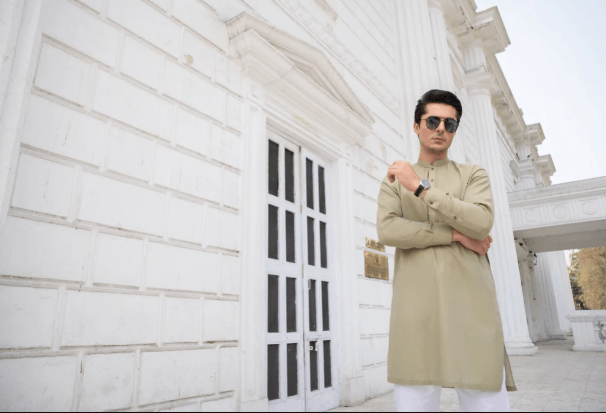
Best fabrics for men’s clothing balance comfort, durability, and appearance across settings. Cotton offers softness and moisture control, linen provides cooling and breathability with a crisp texture, while blends merge softness with resilience. Wool and performance fabrics extend year‑round versatility, combining warmth, moisture management, and shape retention. Engineered textiles optimize insulation and stretch for activity. The choice depends on occasion, climate, and care, yet the optimal path remains nuanced, inviting further examination of how these fibers interact in practice.
What Makes a Fabric Ideal for Men’s Clothing
A fabric suitable for men’s clothing must balance comfort, durability, and drape while maintaining colorfastness and dimensional stability under routine wear and care.
The analysis identifies critical properties: timing and texture, which influence tactile perception and movement; durability and drape, which determine long-term form and air flow.
Material selection hinges on performance data, processing methods, and lifecycle consistency for freedom-minded wardrobes.
Cotton and Linen: Breathability, Feel, and Care
Cotton and linen offer distinct advantages in breathability, hand feel, and care requirements, with their performance governed by fiber structure and fabric construction. Cotton emphasizes moisture absorption and softness, while linen provides cooler contact and crisp textures.
Breathability comparison shows linen relaxing air exchange, cotton moderating humidity.
Care differences include washing tolerance and ironing needs, guiding fabric choice for comfort and practicality.
Wool, Blends, and Performance Fabrics for All Seasons
Wool and its blends, along with engineered performance fabrics, provide versatile options for all-season wear by balancing insulation, moisture management, and durability; understanding fiber structure and fabric construction clarifies how weight, weave, and finish influence thermal response and stretch.
Analytical evaluation shows fabrics performance hinges on cross-sectional fiber properties and coating interfaces, while knits or wovens determine seasonal durability and meet varied activity demands.
Choosing Fabrics for Different Occasions and Climates
Selecting fabrics for different occasions and climates requires aligning material properties with situational demands. The analysis compares fabric weight and drape, colorfastness under sun exposure, and climate suitability across formal, casual, and athletic contexts.
Maintenance tips emphasize durability, washing practicality, and odor resistance, ensuring consistent appearance. Precision decisions minimize risk of incompatibility between event formality, seasonal heat, and fabric performance expectations.
Frequently Asked Questions
How Do Fabrics Affect Odor Control in Daily Wear?
Fabrics influence odor control by moisture management and fiber structure, affecting microbial growth during daily wear. They aid daily wear odor management when selecting breathable, antimicrobial materials, dyes, and finishing treatments, enabling restrained odor development without compromising comfort or freedom.
Can Vegan Fabrics Match Traditional Wool in Warmth?
Can vegan fabrics match traditional wool in warmth? Yes, with engineered blends; performance hinges on fiber structure and high loft. This analysis assesses vegan warmth and wool replacement feasibility, highlighting thermal efficiency, weight, and moisture management for freedom-seeking wearers.
What Fabrics Are Best for Athletic Performance?
Athletic fabric innovations optimize performance by balancing moisture wicking and durability; materials prioritize rapid water transport, breathability, and stretch. The analysis notes that moisture wicking durability correlates with fiber structure, layering, and finishing treatments for consistent athletic output under varied conditions.
How Do Fabric Weights Influence Drape and Comfort?
Weight influences drape and comfort: heavier fabrics yield stiffer, pronounced fall, while lighter weights enhance fluidity but may reduce structure. Weight and drape interact with comfort and temperature regulation, balancing breathability, insulation, and mobility for wearer autonomy.
See also: How Crypto Protects Against Inflation
Are Recycled Fibers as Durable as Natural Fibers?
“Anything worth doing is worth doing well.” Recycled fibers durability can approach natural fibers durability in some cases, yet long-term performance varies; factors include fiber origin, processing, and end-use. Overall, recycled fibers durability is competitive but not universally equal.
Conclusion
In evaluating fabrics for men’s clothing, the analysis confirms that comfort, durability, and appearance hinge on fiber composition, weave, and finish. Cotton and linen deliver breathable, tactile pleasure with distinct care profiles, while wool, blends, and performance fabrics ensure seasonal versatility and resilience. The decisive choice aligns with occasion, climate, and activity, balancing drape and maintenance. Do garments that master these variables consistently offer both polish and practicality across settings? The answer lies in thoughtful fabric selection and precise construction.