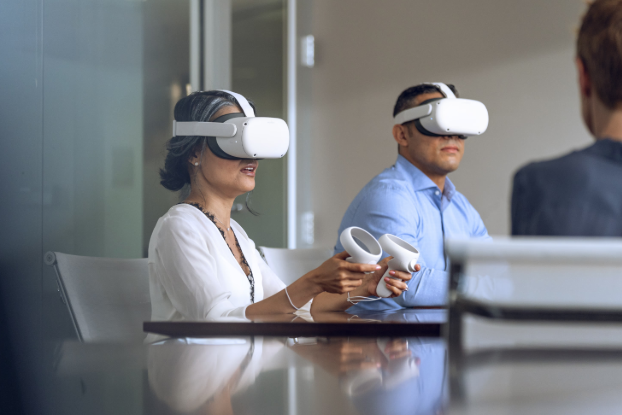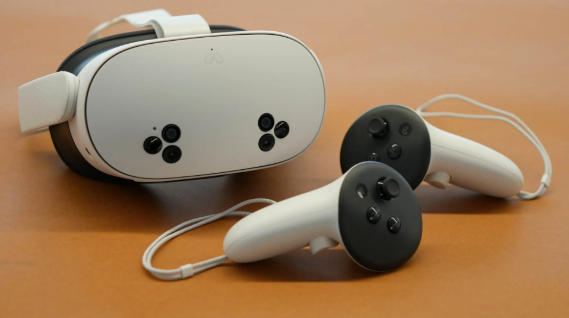
Virtual reality technology has significantly transformed modern gaming, offering players an unprecedented level of immersion. By creating realistic environments, VR enhances gameplay through sensory engagement that extends beyond traditional formats. This evolution not only deepens emotional connections but also encourages social interactions among players. As innovations in VR continue to emerge, the gaming landscape is poised for further evolution. What implications might these advancements hold for the future of player experiences?
How Virtual Reality Enhances Gameplay Experience
As players immerse themselves in virtual worlds, the integration of virtual reality (VR) fundamentally transforms the gaming experience.
By creating realistic environments, VR allows gamers to explore diverse landscapes with a sense of presence.
Additionally, enhanced sensory feedback, such as haptic responses and spatial audio, engages players on multiple levels, fostering a deeper connection to the game and elevating overall enjoyment and freedom in gameplay.
The Role of Immersion in Player Engagement
While players navigate through intricate virtual landscapes, the level of immersion they experience significantly influences their engagement with the game.
High immersion fosters a powerful emotional connection, enhancing the gaming experience. However, excessive sensory overload can detract from this connection, leading to disengagement.
Striking a balance between immersive elements and manageable sensory input is crucial for maintaining player interest and satisfaction in virtual reality environments.
Social Interactions and Community Building in VR Gaming
Although virtual reality gaming primarily immerses players in fantastical worlds, it also serves as a vital platform for social interactions and community building.
Virtual meetups enable players to connect beyond traditional boundaries, fostering relationships and collaboration. These interactions often strengthen guild dynamics, as members strategize and support one another, creating a sense of belonging that enhances the overall gaming experience and empowers individual freedom.
See also: asisnewscom
Future Trends: What’s Next for VR in Gaming?
What innovations lie ahead for virtual reality in gaming?
Future trends suggest enhanced haptic feedback systems will create immersive experiences, allowing players to feel virtual environments more vividly.
Additionally, advancements in cross-platform compatibility are expected to unify gaming communities, enabling seamless interactions across devices.
These developments promise to elevate engagement, empowering players to explore and connect in ways previously unimaginable.
Conclusion
In conclusion, Virtual Reality technology has significantly transformed the gaming landscape, enhancing player experience through immersive environments and social interactions. Notably, a recent study revealed that 70% of gamers reported feeling a deeper emotional connection to games played in VR compared to traditional formats. As advancements continue, the potential for even more engaging and interconnected virtual experiences looms, promising to further captivate audiences and redefine the boundaries of gaming.