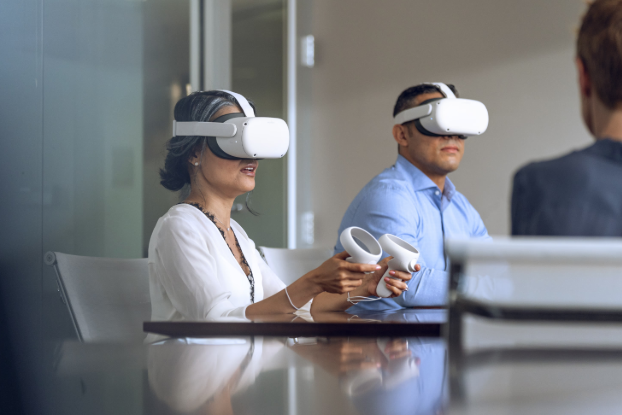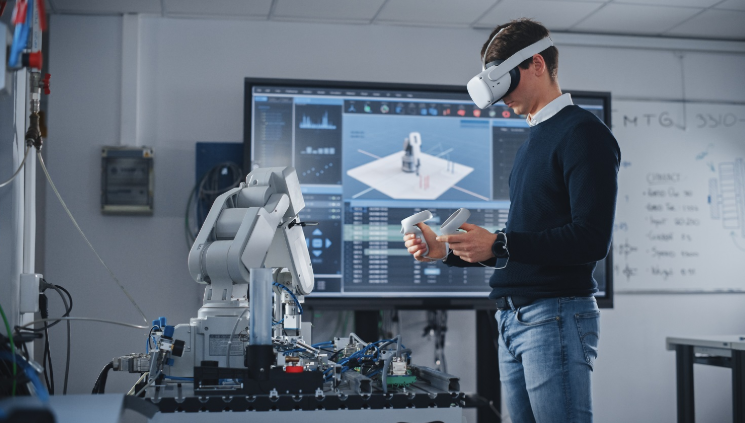
Virtual Reality (VR) is reshaping education and training by offering immersive experiences that traditional methods cannot replicate. This technology allows learners to engage with complex subjects in a three-dimensional context, fostering deeper understanding and retention. Various fields, from medicine to engineering, are beginning to embrace these applications. However, significant challenges remain in content quality and accessibility. What implications do these obstacles have for the future of VR in education?
How VR Enhances Learning Through Immersive Experiences
How does virtual reality (VR) transform traditional educational paradigms?
By leveraging immersive storytelling and virtual field trips, VR creates engaging environments where learners can explore concepts dynamically.
This innovative approach fosters curiosity, enabling students to transcend geographical and contextual boundaries.
As they experience history or science firsthand, learners gain a deeper understanding, unlocking the potential for a more liberated educational experience.
Practical Applications of VR in Different Educational Fields
Numerous educational fields are embracing virtual reality (VR) to revolutionize teaching and learning methodologies.
Virtual classrooms foster collaboration, while interactive simulations provide immersive experiences that deepen understanding.
In disciplines such as medicine, engineering, and history, VR enables students to engage with complex concepts, enhancing critical thinking and problem-solving skills.
This innovative approach empowers educators to create dynamic learning environments tailored to diverse educational needs.
Benefits of Incorporating VR in Training and Development
While traditional training methods often struggle to maintain engagement, incorporating virtual reality (VR) into training and development offers transformative benefits that enhance learning experiences.
VR not only elevates engagement levels through immersive experiences but also provides significant cost efficiency by reducing the need for physical resources.
This innovative approach fosters a more dynamic learning environment, empowering individuals to explore, practice, and master skills effectively.
See also: Virtual Reality Technology in Modern Gaming
Challenges and Future Directions for VR in Education
Despite the numerous advantages VR brings to training and development, its integration into education faces several challenges that must be addressed for broader adoption.
Cost barriers, content quality, and technological limitations hinder effective implementation. Additionally, insufficient educator training and accessibility issues can diminish user engagement.
Overcoming these obstacles is crucial for unlocking VR’s full potential, paving the way for innovative educational experiences.
Conclusion
As a bridge spanning the chasm between traditional education and the future, Virtual Reality emerges as a guiding star, illuminating pathways of knowledge previously shrouded in shadows. Like a skilled navigator charting unknown waters, VR empowers learners to delve into the depths of complex subjects, fostering not only understanding but also creativity. Yet, as with any great expedition, the journey requires careful preparation, addressing challenges to ensure that every traveler reaches their destination enriched and enlightened.