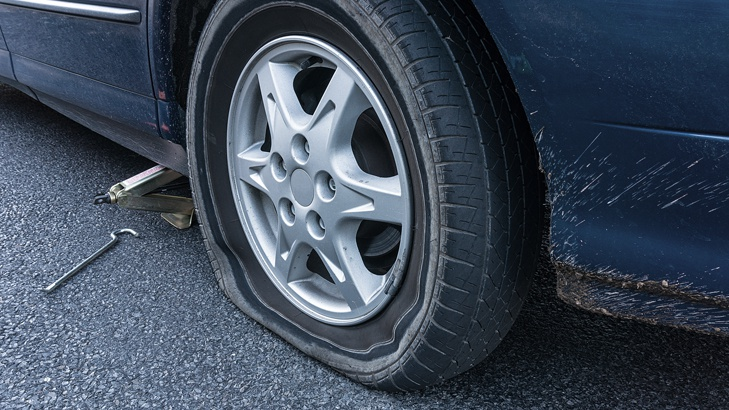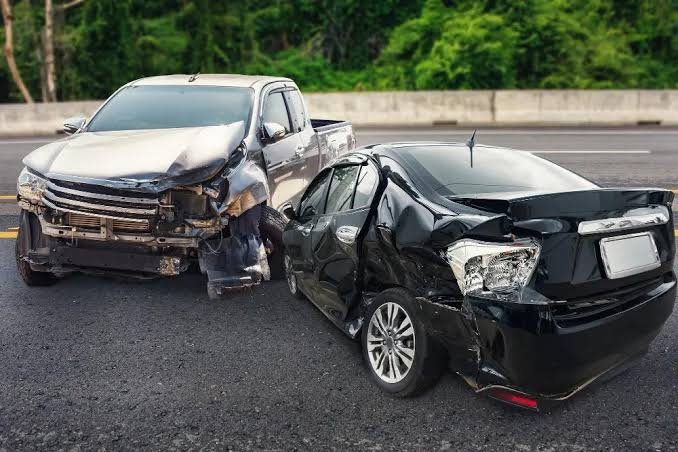
A car crash can disrupt nearly every part of life within seconds. After a collision, injured drivers and passengers may face medical treatment, vehicle damage, missed work, insurance disputes, and uncertainty about what happens next. Someone searching for a car accident lawyer centennial may also need to understand the practical steps that can help preserve evidence and protect a potential claim. The Centennial car accident resource from 5280 Injury Law provides information about investigating collisions, dealing with insurers, evaluating damages, and pursuing a claim when another party may be responsible.
The first hours and days after a crash can be confusing. Pain may not appear immediately. Insurance representatives may begin requesting information. Witnesses may become difficult to locate, and evidence at the scene can disappear.
A calm, organized approach can make those early decisions easier.
Start With Safety and Medical Care
The first priority after any collision is safety.
If possible, move to a safe location without putting yourself or others at additional risk. Call 911 when someone is injured or emergency assistance is needed. Police documentation can become an important part of the accident record.
Medical attention should not be postponed simply because an injury seems minor.
Whiplash, concussions, soft-tissue injuries, back problems, and other conditions can develop or become more noticeable after the initial shock wears off. A medical examination creates a record of the symptoms and allows healthcare professionals to determine whether additional treatment is necessary.
Follow medical recommendations after the initial evaluation. If physical therapy, specialist appointments, diagnostic testing, medication, or follow-up visits are recommended, attend those appointments and keep the related records.
Medical documentation can later help connect injuries to the collision and demonstrate the extent of treatment required.
Preserve the Details Before They Disappear
Accident scenes change quickly.
Vehicles are moved. Debris is cleared. Weather changes. Traffic resumes. Security footage may eventually be overwritten. Witnesses may forget details or become difficult to reach.
Photos and videos taken shortly after a collision can therefore be useful.
Consider documenting:
- Damage to every involved vehicle
- The position of vehicles, if it is safe to photograph
- Road conditions
- Traffic signs and signals
- Skid marks
- Debris
- Visible injuries
- Nearby businesses or cameras
- Weather and lighting conditions
Do not place yourself in danger to collect evidence.
The police report should also be preserved. Obtain the report number and keep copies of documents associated with the collision.
Witness information can be valuable as well. Names and contact information should be recorded whenever possible.
After the third H2, readers can review the firm’s attorneys to learn more about the legal professionals associated with 5280 Injury Law.
See also: Green Apple Drinks: Why Tart Fruit Flavors Belong in Your Summer Rotation
Avoid Guessing About Fault
People involved in a crash often feel pressure to explain what happened immediately.
A driver may believe they caused the collision because they were unable to stop in time. Another person may apologize at the scene without realizing that the full circumstances have not yet been established.
Stick to factual information.
Explain what happened as accurately as possible to law enforcement and medical professionals. Avoid making statements such as “the accident was completely my fault” when the facts have not been fully investigated.
Centennial collisions can result from many different circumstances. The firm’s Centennial resource identifies distracted driving, speeding, impaired driving, reckless driving, weather and road conditions, traffic violations, fatigue, inexperienced drivers, vehicle defects, and road hazards among potential causes.
A collision may also involve more than one contributing factor.
Insurance Companies Have Their Own Interests
After an accident, insurance companies may contact drivers and passengers to gather information about the crash.
Promptly reporting an accident to the appropriate insurer may be required under the applicable policy. However, an injured person should be careful about providing statements that speculate about fault or minimize injuries.
Insurance adjusters are evaluating claims from the insurer’s perspective.
An early settlement offer may not account for future medical treatment, continuing pain, lost earning capacity, or other consequences that have not yet become clear.
The Centennial car accident information published by 5280 Injury Law explains that insurers may attempt to minimize payouts and describes negotiation as an important part of pursuing compensation.
A person should understand what a proposed settlement covers before accepting it.
Understanding Colorado Fault Rules
Determining responsibility is central to many car accident claims.
Colorado uses a modified comparative fault system. The Centennial resource explains that a person’s compensation can be reduced according to their percentage of fault and that a claimant who is at least 50 percent responsible may be barred from recovering compensation under the rule described on the firm’s website.
For example, suppose a person suffers $100,000 in damages but is found to have 20 percent responsibility for the collision. Under a comparative-fault analysis, the amount recovered could be reduced according to that percentage.
The actual application of Colorado law depends on the facts of the case.
This makes evidence particularly important. A driver should not assume that an insurance company’s initial assessment of fault is necessarily the final determination.
Multiple Drivers Can Complicate a Collision
Some crashes involve only two vehicles. Others involve several drivers, commercial vehicles, pedestrians, or property owners.
A chain-reaction collision can make fault more difficult to determine because the first impact may not be the only event that caused a particular injury.
Investigators may need to determine:
- Which vehicle struck another first
- Whether a driver was speeding
- Whether someone changed lanes improperly
- Whether a driver was distracted
- Whether traffic signals were obeyed
- Whether road conditions contributed
- Whether another collision created a secondary impact
Vehicle damage can sometimes provide clues about the sequence of impacts.
Witness statements, photographs, traffic-camera footage, vehicle data, police reports, and expert analysis may also help establish what occurred.
Serious Injuries May Have Long-Term Effects
A car accident can produce injuries that require months or years of treatment.
Common injuries identified by the firm’s Centennial resource include whiplash, back injuries, head injuries, fractures, cuts, chest injuries, soft-tissue injuries, and psychological trauma.
The severity of an injury should not be judged solely by how someone feels immediately after the crash.
A person who walks away from a collision may later discover that an injury requires extensive treatment.
Traumatic brain injuries deserve particular attention because symptoms can include changes affecting memory, concentration, mood, and daily functioning.
Spinal injuries may affect mobility and the ability to work.
A proper medical evaluation can help determine the appropriate treatment and create documentation of the injury.
Keep Track of Every Accident-Related Expense
Financial losses can extend well beyond the first hospital bill.
Keep receipts and records associated with:
- Emergency care
- Hospital treatment
- Diagnostic testing
- Surgery
- Prescription medication
- Physical therapy
- Specialist appointments
- Rehabilitation
- Transportation to medical appointments
- Vehicle repairs
- Rental transportation
- Other documented accident-related expenses
Lost income should also be documented.
Pay stubs, employer correspondence, tax documents, and records of missed work can help establish how an injury affected employment.
Someone who cannot return to the same job because of permanent restrictions may also face future income losses.
The Centennial resource identifies medical expenses, lost wages and future earnings, pain and suffering, emotional distress, loss of enjoyment, property damage, loss of consortium, and certain punitive damages among potential categories of compensation depending on the circumstances.
Not every claim will involve every category.
Pain and Emotional Distress Matter Too
A collision can affect more than a person’s finances.
Pain can make ordinary activities difficult. Someone who previously exercised, drove long distances, cared for children, or participated in hobbies may no longer be able to do those things in the same way.
Emotional effects can also follow a serious crash.
A person may experience anxiety while driving, fear around intersections, sleep difficulties, or other psychological effects.
Treatment records can document these conditions when medical professionals diagnose and treat them.
Keeping a personal record of symptoms can also help someone communicate accurately with healthcare providers about how the injury affects daily life.
Property Damage Should Be Documented Separately
Vehicle damage can be significant even when physical injuries appear limited.
Photograph the vehicle before repairs when possible. Keep repair estimates, invoices, towing records, rental-car expenses, and information regarding damaged personal property.
If the vehicle is considered a total loss, retain the documentation provided by the insurer regarding its valuation.
Property damage does not replace a personal injury claim when injuries exist. The two issues may need to be evaluated separately.
Do Not Discard Damaged Items Too Quickly
A damaged vehicle or personal item may contain evidence relevant to a collision.
For example, damage to a vehicle can help demonstrate the direction and severity of an impact.
If possible, preserve photographs and records before repairs or disposal.
When an item must be repaired, retain invoices and documentation describing the condition and work performed.
The same principle applies to photographs, videos, dashcam recordings, and other electronic evidence.
Make backup copies of important files so they are not accidentally lost.
Dashcam and Surveillance Footage Can Be Valuable
Video evidence can sometimes provide a direct view of an accident.
Dashcams may capture the moments before a crash. Nearby businesses, intersections, parking lots, homes, and traffic systems may also have cameras.
The challenge is that many systems do not preserve footage indefinitely.
A person who believes a nearby camera may have captured the accident should identify the location as soon as possible.
Legal counsel may be able to assist with evidence-preservation efforts when appropriate.
Commercial Vehicles Require Additional Investigation
A collision involving a commercial vehicle can raise additional questions.
Depending on the circumstances, an investigation may examine the driver’s conduct, vehicle maintenance, company policies, records, and other information.
Commercial vehicles can also create more complicated insurance and liability issues.
The Centennial resource lists truck accidents as a separate motor-vehicle practice area, reflecting the different considerations that can arise in those cases.
The same principle applies to rideshare vehicles, motorcycles, buses, and other transportation-related collisions.
Hit-and-Run Crashes Present Special Problems
A hit-and-run collision can leave an injured person without immediate information about the other driver.
Try to record the vehicle description, license plate information, direction of travel, and any other identifying details if they can be obtained safely.
Witnesses can be particularly important.
Uninsured or underinsured motorist coverage may also become relevant depending on the circumstances and the available insurance policies.
The Centennial resource specifically identifies uninsured and underinsured motorist coverage as potentially valuable protection for situations such as collisions involving uninsured drivers or hit-and-run incidents.
Insurance coverage should be reviewed carefully before assuming that no compensation is available.
Be Careful With Social Media After a Crash
Social media posts can create unnecessary complications.
Avoid posting photographs or comments that could be interpreted out of context. Do not discuss settlement negotiations or speculate about who caused the accident.
Even an innocent post about an activity can raise questions if an insurer later argues that the activity contradicts reported limitations.
Privacy settings do not guarantee that a post will remain private.
A simple approach is to keep accident-related discussions off social media while the claim is being evaluated.
Legal Deadlines Should Not Be Ignored
Time limits can affect the ability to pursue a car accident claim.
The Centennial page states that Colorado car accident claims generally have a three-year statute of limitations from the date of the crash, while certain circumstances, including claims involving government vehicles or wrongful death, may involve different timelines.
Because exceptions can apply, relying on a general deadline without reviewing the facts can be risky.
Evidence can also become harder to obtain as time passes.
A person who waits may find that witnesses have moved, memories have faded, surveillance footage is unavailable, or important records are more difficult to collect.
What a Car Accident Investigation May Include
A thorough investigation may examine many different sources of information.
These can include:
- Police reports
- Medical records
- Vehicle photographs
- Witness statements
- Traffic-camera footage
- Dashcam recordings
- Vehicle damage
- Road and weather conditions
- Driver statements
- Insurance information
- Employment records
- Expert opinions
The goal is to develop an accurate account of the collision.
That account can help determine fault, identify damages, and address disputes raised by an insurer or opposing party.
How Legal Representation Can Help
An attorney can take on many of the legal tasks that become difficult while an injured person is recovering.
The Centennial car accident page describes services that include investigating accidents, gathering evidence, reviewing police reports, interviewing witnesses, consulting experts when necessary, negotiating with insurers, calculating damages, and preparing cases for litigation when appropriate.
Legal representation does not guarantee a particular outcome.
It can, however, provide a structured process for evaluating the claim and responding to disputes.
For someone dealing with medical treatment and financial pressure, having legal issues handled separately can also make the recovery process more manageable.
Choosing a Lawyer for a Centennial Collision
A car accident case can involve questions about fault, insurance coverage, medical treatment, lost income, future damages, and legal deadlines.
A lawyer evaluating the case should understand Colorado personal injury law and the circumstances surrounding the specific collision.
5280 Injury Law describes its practice as serving injured Coloradans and identifies Centennial among the communities served.
The firm’s website also identifies car and auto accidents among its motor vehicle practice areas.
A potential client can gather the accident report, medical records, insurance information, photographs, witness details, and other available documentation before an initial consultation.
Moving Forward After a Centennial Crash
A serious collision can create problems that continue long after damaged vehicles have been repaired. Medical treatment may continue, work may be interrupted, and an insurance dispute may develop over fault or the value of a claim.
Early organization can make a meaningful difference.
Seek medical attention, preserve evidence, document financial losses, keep communications organized, and avoid making assumptions about liability before the available evidence has been reviewed.
For additional information about personal injury services and accident-related legal resources, readers can explore the website maintained by 5280 Injury Law.
If a collision in Centennial has resulted in injuries or substantial losses, those affected can contact us today to learn more about the legal process and discuss the circumstances of the accident.