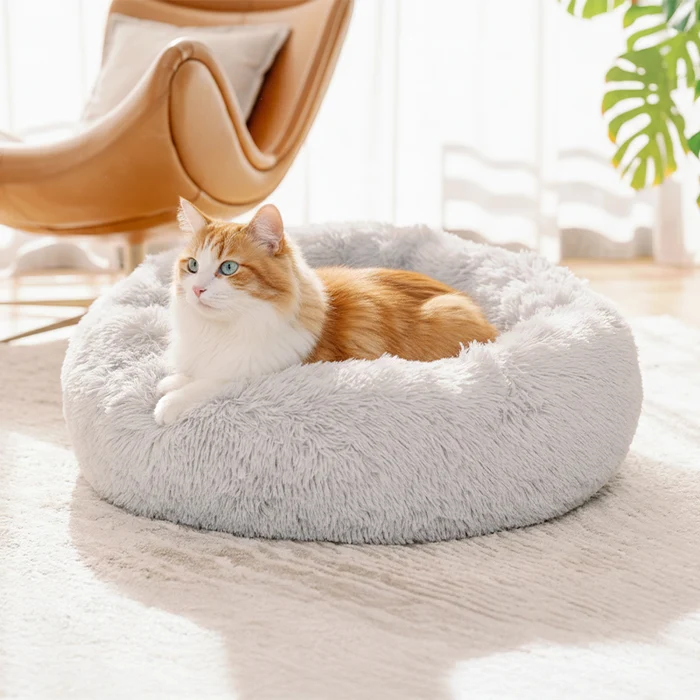
Indoor cats are spending more of their lives in carefully designed home environments, and that has changed the way many pet owners think about comfort. From climbing structures and interactive toys to quiet feeding areas, enrichment is becoming an important part of creating a home that supports a cat’s natural behavior. One simple addition that often deserves more attention is a comfortable sleeping space. Choosing a calming bed for cats can give a cat a familiar place to relax, retreat, and settle between periods of activity.
Sleep is not simply downtime for cats. It is an important part of their daily rhythm and overall well-being. A thoughtfully chosen resting area can help make an indoor environment feel more secure while giving cats the freedom to choose when they want interaction and when they prefer privacy.
Why Cat Sleep Is an Important Part of Enrichment
Cats are known for sleeping frequently, but their sleep habits are more complex than simply finding a comfortable surface and lying down. Cats naturally alternate between periods of rest and activity. They may nap lightly, sleep deeply, wake to investigate their surroundings, and then return to rest.
For indoor cats, the environment plays a major role in how easily they can follow these natural patterns. A busy household can introduce sounds, movement, visitors, children, or other pets that make uninterrupted rest more difficult.
A dedicated sleeping area provides consistency. When a cat has a familiar place to retreat to, it can become part of the animal’s daily routine and help create a sense of environmental stability.
This is particularly useful in homes where the cat does not always have access to a quiet room. A comfortable resting spot can provide a smaller personal zone without requiring major changes to the home.
The Rise of Comfort-Focused Cat Environments
Pet care is increasingly moving beyond basic necessities. Many owners are paying closer attention to how furniture, accessories, and household layouts influence the physical and emotional comfort of their pets.
This shift is closely connected to the growing interest in indoor enrichment. Instead of simply providing food, water, and toys, owners are considering how cats move, explore, scratch, climb, observe, hide, and sleep throughout the home.
A resting area fits naturally into this approach because sleep is one of the most significant activities in a cat’s daily routine.
A well-planned environment can include:
- Elevated spaces that allow cats to observe their surroundings from a secure position.
- Scratching areas that support natural scratching behavior while protecting household furniture.
- Interactive toys that encourage movement and mental stimulation.
- Private resting areas that give cats an opportunity to withdraw from household activity.
- Multiple environmental zones that allow cats to choose between social interaction and solitude.
The goal is not to fill every corner with pet products. Instead, it is to create an environment where cats can make meaningful choices.
How the Right Resting Area Supports Natural Behavior
Cats often select sleeping locations based on more than softness. Their choices can be influenced by temperature, noise, visibility, security, and proximity to familiar people or animals.
For example, some cats prefer an open bed where they can see what is happening around them. Others may feel more comfortable in a partially enclosed space that offers additional privacy.
This is why observing a cat’s existing habits can be more useful than choosing a bed based solely on appearance.
If a cat repeatedly sleeps on a particular chair, blanket, shelf, or corner, that behavior can provide useful clues. The cat may be responding to the location’s warmth, height, texture, or sense of security.
Understanding these preferences makes it easier to create a resting space that feels natural rather than unfamiliar.
Location Can Matter as Much as Comfort
Even a soft and attractive bed may be ignored if it is placed somewhere a cat does not enjoy resting.
Cats often appreciate locations where they can relax without feeling isolated from everything happening around them. A quiet corner of a living room, a low-traffic bedroom area, or a secure elevated surface may work well depending on the individual cat.
Avoid placing a sleeping area directly beside loud appliances, frequently used doorways, or areas with constant foot traffic.
Temperature is another consideration. Cats may seek warmer areas during cooler periods and move toward cooler surfaces when the environment becomes warmer. Giving them options can allow them to regulate their comfort naturally.
The ideal location is therefore not necessarily the most visually convenient place for the owner. It is the place where the cat appears most relaxed.
Texture, Shape, and Support All Make a Difference
Cats have individual preferences when it comes to sleeping surfaces. Some prefer plush materials that allow them to curl into a compact position. Others may favor flatter surfaces that provide more room to stretch.
Shape can also influence how a cat uses a resting area. A raised edge may appeal to cats that like to rest their head against something, while an open design may suit cats that prefer greater visibility.
Support is another factor worth considering, particularly for adult and senior cats. A resting surface should allow the cat to settle comfortably without making it difficult to get in or out.
Look for practical features such as:
- A stable base that does not slide easily when the cat steps onto it.
- A surface that feels comfortable against the cat’s body and paws.
- An accessible design that does not require difficult climbing or jumping.
- Materials that can be cleaned regularly without damaging the structure.
These details may seem small, but they can influence whether a cat chooses to use the space consistently.
Creating a Calmer Home Environment
A comfortable sleeping area works best as part of a broader approach to environmental comfort. Cats can become unsettled when their surroundings change frequently or when they have limited control over where they retreat.
Providing choices can help.
Instead of creating only one resting area, consider offering different options throughout the home. One could be positioned near a window, another in a quieter corner, and another in an area where the cat can remain close to family members.
This approach gives the cat control over its surroundings. If the household becomes noisy, the cat can move somewhere quieter. If it wants to remain near people while resting, it can choose a more social location.
The principle is simple: comfort should include choice, not just softness.
See also: 9 GLP-1 Telehealth Providers Worth Knowing in 2026
The Brooklyn Approach to Everyday Pet Comfort
Modern pet spaces are also becoming more intentional in their design. Rather than treating pet accessories as items that need to be hidden away, many owners are choosing pieces that fit naturally into the home’s overall appearance.
Brooklyn reflects the broader design trend toward combining function with a clean, contemporary aesthetic. For cat owners, this can mean selecting resting spaces that provide genuine comfort while also working naturally within the surrounding interior.
However, appearance should not be the only deciding factor. A beautifully designed sleeping space is useful only if the cat actually feels comfortable using it.
The best approach is to balance the needs of the animal with the practical requirements of the household.
Cleaning and Maintenance Should Not Be Overlooked
A cat’s resting area can collect fur, dust, and other debris. Regular cleaning helps keep the space comfortable and makes it easier to notice changes in how the cat is using it.
Washable or removable covers can be especially practical because they make routine maintenance simpler. The material should also be durable enough to handle regular use without quickly losing its shape.
Pay attention to the condition of the sleeping surface. Flattened padding, damaged seams, loose material, or an unstable base may reduce comfort and create avoidable safety concerns.
Keeping the area clean also supports a more pleasant household environment, particularly when multiple pets share the same space.
Let Your Cat Guide the Choice
One of the easiest mistakes is assuming that a cat will automatically prefer whatever humans consider most comfortable. Cats can be surprisingly selective.
A new sleeping area may be ignored initially, especially if it smells unfamiliar or has been placed somewhere the cat does not normally rest. That does not necessarily mean the design is unsuitable.
Rather than forcing a cat to use a particular location, allow it to investigate the space independently. Familiar bedding or a blanket can sometimes make a new resting area feel more recognizable.
Observation is often the best guide. Notice where the cat chooses to sleep, whether it prefers enclosed or open spaces, and whether it seeks warmth, height, privacy, or proximity to people.
These clues can make the selection process much more personal and effective.
Comfort Is Part of Responsible Indoor Cat Care
Indoor living can provide cats with a safe and stimulating environment, but it also places greater responsibility on owners to support natural behaviors.
Cats need opportunities to move, explore, scratch, observe, play, hide, and rest. A dedicated sleeping area addresses only one part of that equation, but it can contribute meaningfully to the overall environment.
The larger goal is to create a home where a cat can make choices and feel secure. That means thinking about the arrangement of furniture, access to quiet spaces, enrichment opportunities, and comfortable places to rest.
When these elements work together, the home becomes more than a place where a cat receives basic care. It becomes an environment designed around the animal’s natural needs.
Conclusion
A cat’s sleeping space may look like a simple piece of pet furniture, but its role can extend far beyond providing a soft surface. The right resting area can support natural sleep patterns, offer a sense of security, and give indoor cats another opportunity to make choices within their environment.
As pet owners become more aware of enrichment and animal-centered home design, comfort is increasingly being considered as part of everyday cat care. Paying attention to location, texture, accessibility, cleanliness, and individual preferences can make a meaningful difference.
Most importantly, there is no universal resting setup that works for every cat. The best choice starts with observation and responds to the habits of the individual animal. If you are exploring ways to create a more comfortable and thoughtfully designed space for your cat, Get in touch and consider how the right resting environment can become a natural part of your home’s daily routine.